
Introduction
Corporate Social Responsibility (CSR) in India is legally mandated under Section 135 of the Companies Act, 2013, with Schedule VII outlining permissible CSR activities. On a global level, the United Nations Sustainable Development Goals (SDGs) serve as a blueprint for addressing social, economic, and environmental challenges.
For CSR professionals, NGOs, and social entrepreneurs, understanding how Schedule VII aligns with SDGs can help in designing effective projects, securing funding, and demonstrating impact to stakeholders. If you’re looking to strategize and implement high-impact CSR projects, contact me for YSWN’s CSR Consulting Services which can support you with expert guidance.
What Is Schedule VII of the Companies Act?
Schedule VII lists approved CSR activities under Indian law. It provides businesses with a structured framework for CSR spending, focusing on areas like:
- Eradicating hunger, poverty, and malnutrition
- Promoting education and vocational training
- Ensuring gender equality and women empowerment
- Environmental sustainability and ecological conservation
- Protecting national heritage and culture
- Rural development
- Supporting healthcare and sanitation
For NGOs and social enterprises, aligning your programs with Schedule VII can improve your chances of securing CSR funding. Need help with proposal writing? YSWN provides CSR proposal development and impact strategy consulting.
What Are the UN Sustainable Development Goals (SDGs)?
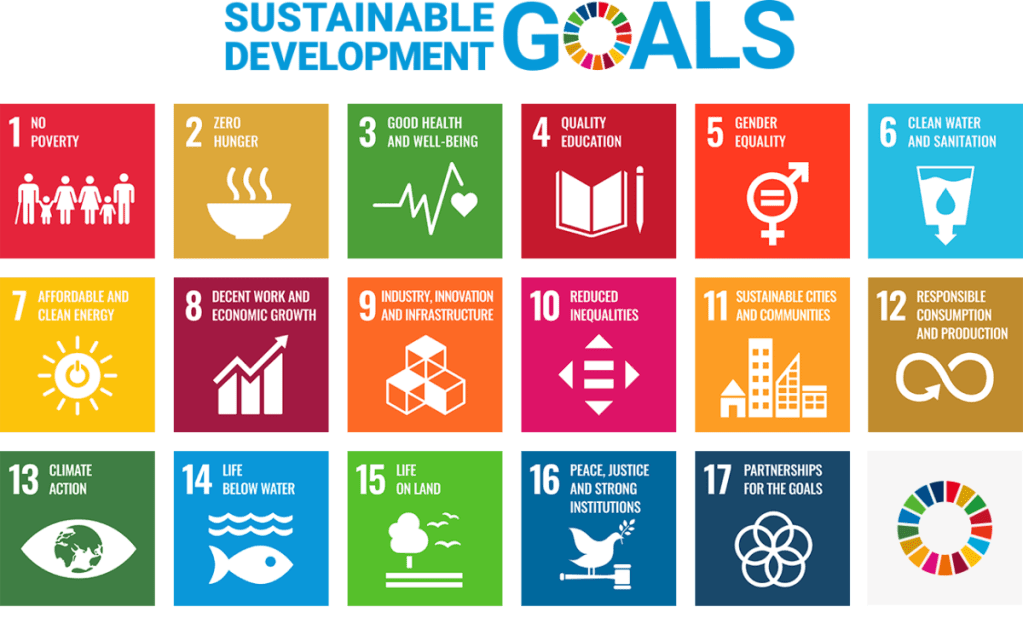
The 17 SDGs were adopted by 193 countries as part of the UN’s 2030 Agenda for Sustainable Development. These goals cover economic, social, and environmental aspects to create a more equitable and sustainable world. Some key SDGs include:
- No Poverty (SDG 1)
- Zero Hunger (SDG 2)
- Quality Education (SDG 4)
- Gender Equality (SDG 5)
- Decent Work & Economic Growth (SDG 8)
- Climate Action (SDG 13)
- Partnerships for the Goals (SDG 17)
For professionals seeking careers in CSR, policy, or social impact, understanding SDGs is essential. Want to build a career in CSR? YSWN offers career consulting for social sector professionals.
Similarities Between Schedule VII & SDGs
Although Schedule VII was created independently of the SDGs, many of its categories align with global development priorities. Some clear overlaps include:
| Schedule VII Categories | Aligned SDGs |
|---|---|
| Hunger, Poverty & Malnutrition | SDG 1 (No Poverty), SDG 2 (Zero Hunger) |
| Education & Vocational Skills | SDG 4 (Quality Education) |
| Gender Equality & Women Empowerment | SDG 5 (Gender Equality) |
| Environmental Sustainability | SDG 13 (Climate Action), SDG 15 (Life on Land) |
| Rural Development | SDG 9 (Industry, Innovation & Infrastructure), SDG 11 (Sustainable Cities) |
| Healthcare & Sanitation | SDG 3 (Good Health & Well-being), SDG 6 (Clean Water & Sanitation) |
Want to learn more about such concepts? Join the yswn Digital Community on: Instagram / LinkedIn / WhatsApp
Key Differences Between Schedule VII & SDGs
While there is substantial alignment, some major differences exist:
- Scope & Approach:
- Schedule VII focuses on corporate contributions within India.
- SDGs are a global framework adopted by governments, NGOs, and businesses worldwide.
- Legally Binding vs. Voluntary Commitment:
- Schedule VII is mandatory for eligible companies in India.
- SDGs are voluntary and depend on collective global efforts.
- Level of Detail:
- Schedule VII is broad, allowing flexibility in CSR project selection.
- SDGs have 169 specific targets with measurable indicators for tracking progress.
- Areas Not Covered in Schedule VII:
- Innovation & Sustainable Industry (SDG 9) – While Schedule VII covers rural development, it lacks an explicit focus on industrial growth and innovation.
- Global Partnerships (SDG 17) – Schedule VII is India-specific, while SDG 17 promotes cross-border collaboration.
Need help navigating CSR compliance and SDG reporting? YSWN offers compliance consulting and CSR impact measurement services.
How Companies Can Align Their CSR with SDGs
Businesses in India can strengthen their CSR strategies by integrating SDG principles into their Schedule VII compliance efforts. Here’s how:
✅ Map CSR Activities to SDGs: Companies should identify which SDGs their CSR initiatives support and integrate global best practices.
✅ Use Measurable SDG Indicators: While Schedule VII compliance is mandatory, using SDG-aligned impact metrics can help companies showcase effectiveness.
✅ Leverage Partnerships for Greater Impact: The SDG framework encourages collaborations with NGOs, social enterprises, and governments. Businesses can form strategic alliances to enhance their CSR outcomes.
✅ Think Beyond Compliance: While Schedule VII mandates a 2% CSR spending, companies should look at long-term impact rather than just meeting legal requirements.
💡 Want to build a strong CSR-SDG alignment strategy? Book a CSR consultation with YSWN today.
Why This Matters for CSR Professionals & Social Enterprises
For CSR managers, NGOs, and social entrepreneurs, understanding both frameworks is essential for:
- Designing CSR projects that comply with Indian law while achieving global development goals.
- Securing funding from corporations looking for SDG-aligned initiatives.
- Strengthening grant proposals and impact reports by linking activities to SDG targets.
If you’re a CSR professional or NGO leader looking for expert guidance, YSWN offers customized consulting services to help you succeed.
Conclusion
Both Schedule VII and SDGs play crucial roles in shaping sustainable corporate and social initiatives. While Schedule VII ensures structured CSR spending in India, SDGs provide a global framework for impact. Businesses can achieve greater efficiency, compliance, and visibility by integrating these two models.
💡 Need expert guidance in CSR implementation, compliance, or SDG alignment? Explore YSWN’s consulting services and maximize your impact today!
 yswn.
yswn. 
Leave a comment